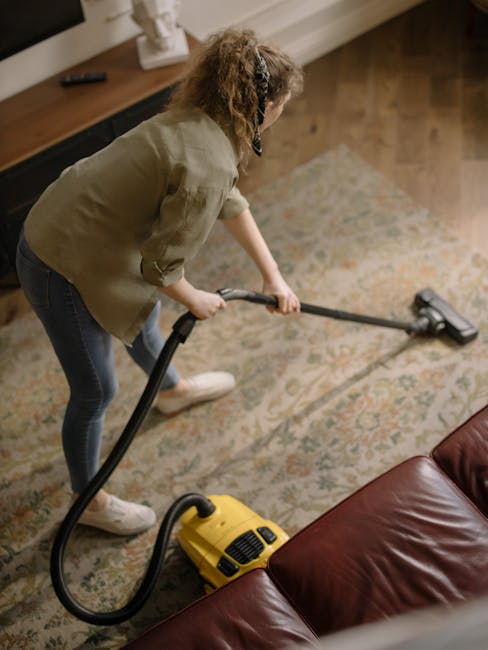
SM6 carpet cleaning tips for the Wallington Station area
If you live or work near Wallington Station, carpets pick up a surprising amount of life: winter grit, muddy shoes after a damp commute, the odd coffee spill before the train, and that general everyday dust that settles quietly and then suddenly looks obvious. This guide to SM6 carpet cleaning tips Wallington Station area is designed to help you keep carpets cleaner for longer without making the process overcomplicated. You will find practical steps, realistic advice, and a few hard-won pointers that save time, reduce risk, and make your rooms feel fresher. No fluff. Just the useful bits.
Whether you are looking after a family home, a rental flat, or a small business premises, the same basic truth applies: the sooner you deal with dirt, the easier it is to remove. And to be fair, most carpet damage is not caused by one dramatic incident. It is the slow build-up. The small stuff. Let's fix that.
Why SM6 carpet cleaning tips Wallington Station area Matters
Carpet care in the Wallington Station area has its own rhythm. Busy mornings, compact homes, higher foot traffic near transport routes, and the general mix of weather and city living all affect how quickly carpets look tired. If you have ever noticed one patch near the hallway turning darker first, that is not your imagination. It is usually where shoes, dust, and moisture meet.
The reason this matters is simple: carpets are one of the biggest soft surfaces in a property, and they quietly influence how a room feels. Clean carpet makes a place look more cared for. It also helps reduce the stale, dusty feel that builds up in rooms with lots of movement. In smaller flats around SM6, that difference can be surprisingly noticeable.
There is also the practical side. Regular maintenance can help extend carpet life, reduce the risk of permanent staining, and make deeper cleaning easier when it is finally needed. If you leave spills too long, they settle into the pile and underlay. Then you are not really cleaning a spill any more; you are dealing with a memory of a spill. Bit grim, but true.
If you are considering professional help for the heavier work, it can be sensible to look at the core carpet cleaning service first, then decide whether the issue is general refreshment, specific stain removal, or something more specialised. For deeper fibre care, some households also benefit from steam carpet cleaning, especially where dust, grease, and set-in soil are part of the picture.
How SM6 carpet cleaning tips Wallington Station area Works
Good carpet cleaning is not just about scrubbing harder. In fact, scrubbing usually makes things worse. The process works best when you think in layers: remove loose debris, treat the stain or soil source, then clean the fibres gently and dry them properly.
For everyday care, the basic flow looks like this:
- Dry removal first: vacuum thoroughly to lift grit, crumbs, hair, and dust before adding moisture.
- Spot treatment: blot spills early using a suitable method for the stain type.
- Controlled cleaning: apply the right amount of cleaner, not a flood of it.
- Agitation where needed: use light brushing or cloth pressure to work product into the fibre surface.
- Extraction or rinsing: remove residue so the carpet does not feel sticky afterwards.
- Drying: speed up drying with airflow and avoid walking on the area too soon.
That final step matters more than people think. A carpet that stays damp for too long can smell musty and attract more soil. Early evening cleaning can be fine, but only if you can ventilate the room properly. Otherwise, you wake up to a carpet that still feels a bit heavy underfoot.
For local homes where pet mess or persistent odour is part of the problem, specialist treatment is often more effective than trying to solve it with generic spray. If that sounds familiar, the focused approach used in pet stain and odour removal can be a better fit than standard spot cleaning.
Key Benefits and Practical Advantages
People often think carpet cleaning is mainly about appearance. It is that, of course, but the real benefits go a bit wider.
- Better first impressions: clean flooring immediately lifts a room, especially in hallways and front reception spaces.
- Longer carpet life: dirt acts like fine sandpaper, so regular removal helps fibres last longer.
- Less lingering odour: carpets trap smells from food, pets, shoes, and damp weather.
- Improved comfort: a clean pile feels softer and looks more even.
- Easier maintenance: once routine dirt is under control, future cleaning becomes simpler.
- Better stain outcomes: fresh marks are far easier to handle than old ones.
There is also a psychological benefit, oddly enough. A clean carpet can make the rest of the room feel calmer, like the house has had a proper reset. You notice it most after a rainy day when the hallway looks fresh instead of patchy and dull.
For larger homes or shared spaces, the same logic applies to other soft furnishings. If the whole room needs a refresh, it may be worth looking at upholstery cleaning alongside carpet care, because one dirty sofa can undo the impression of an otherwise spotless floor. Truth be told, the eye notices the whole room, not just one surface.
Who This Is For and When It Makes Sense
This guide is useful for a few different people, and the practical advice changes slightly depending on your situation.
Homeowners and tenants
If you have a family home, shared house, or flat near Wallington Station, routine carpet maintenance helps keep everyday mess under control. Tenants especially benefit from preventing stains from setting in because end-of-tenancy cleaning often becomes much more expensive if carpets are neglected.
Landlords and letting agents
Turnovers are faster when carpets are in decent shape. A well-maintained property tends to photograph better too, and that matters more than people admit. Even a perfectly cleaned room can look tired if the carpet is grubby at the edges.
Small businesses and offices
Commercial spaces near the station or along nearby routes usually see more footfall than people expect. For reception areas, consultation rooms, and office corridors, regular maintenance supports a cleaner, more professional feel. If the area includes heavier use, a dedicated commercial carpet cleaning approach is often more sensible than a one-size-fits-all domestic routine.
People dealing with a specific problem
Some readers are not looking for general advice at all. They have one stain, one smell, or one badly marked patch. In those cases, the decision should be based on the cause, not just the appearance. Coffee, mud, pet urine, food grease, and wine all need different handling. Carpet cleaning is annoyingly non-uniform like that.
Step-by-Step Guidance
Here is a sensible way to approach carpet cleaning without overdoing it.
- Vacuum slowly and methodically. Quick passes miss embedded grit. Go over high-traffic areas more than once, especially by entrances and along skirting boards.
- Deal with spills straight away. Blot, do not rub. Rubbing spreads the stain and pushes it deeper into the pile.
- Test any cleaner first. Use a hidden spot, such as inside a wardrobe edge or behind furniture, to check for colour change or fibre reaction.
- Use the minimum liquid needed. A damp cloth or controlled spray is usually enough for many minor marks. Saturation is the enemy.
- Work from the outside in. This keeps the stain from spreading into a larger halo.
- Lift residue after treatment. If a cleaner leaves the carpet tacky, dirt will cling to it again faster.
- Dry the area thoroughly. Open windows if the weather allows, use a fan, and keep people off the carpet until it feels fully dry.
If the carpet has a rougher texture or a deeper pile, take extra care with agitation. Some fibres look sturdy but are surprisingly sensitive. A few enthusiastic scrubs and suddenly the nap goes flat. Not ideal, obviously.
For delicate items such as rugs, it is often smarter to use a separate approach rather than treating them exactly like wall-to-wall carpet. You can see the difference in the way a good rug cleaning service handles shape, fibre type, and drying time.
Expert Tips for Better Results
These are the small habits that make a disproportionate difference.
- Use entrance matting properly. A mat works best when it is large enough for two or three steps, not just a token strip by the door.
- Vacuum the edges. Dust gathers where the carpet meets the wall, and that buildup often gets missed.
- Blot with white cloths or paper. Coloured cloths can transfer dye, which is the kind of mistake that feels avoidable afterwards.
- Work in small sections. One square metre at a time is easier to control and gives better drying consistency.
- Keep cleaners simple. The more products you layer, the more chance of residue or fibre stress.
- Re-clean only when necessary. If a stain lightens but does not vanish immediately, pause. Overworking the area can cause more harm than good.
A small practical example: if a hallway near Wallington Station gets muddy shoes every wet week, set a quick routine. Vacuum twice weekly, treat spots the same day, and do a deeper clean before the carpet starts to look grey rather than just dirty. That grey stage is the warning sign.
If odour is your main issue, especially in homes with children or pets, the carpet itself may not be the only source. Soft furnishings absorb smell too. In that case, a combined approach with sofa cleaning can help the room feel properly reset.
Common Mistakes to Avoid
Most carpet problems come from a few repeat mistakes. Once you know them, you can avoid a lot of hassle.
- Rubbing a fresh spill: this pushes the stain deeper and widens the affected area.
- Using too much detergent: excess product can trap dirt and leave the carpet feeling stiff.
- Skipping vacuuming before wet cleaning: loose debris turns into muddy residue once it gets wet.
- Using the wrong stain method: protein stains, food dyes, grease, and pet accidents do not all behave the same way.
- Ignoring drying time: walking on a damp carpet can flatten fibres and re-soil the patch.
- Assuming one product works for everything: that is wishful thinking, not maintenance.
One of the sneakiest problems is overconfidence with rental machines or household cleaners. They can be useful, but only when used carefully. If the carpet is valuable, old, wool-rich, or already fragile, it may be better to move cautiously and consider a professional route instead.
And yes, I know the temptation to "just give it another go" is strong. Most of us have done it. That second pass is where many decent carpets get annoyed.
Tools, Resources and Recommendations
You do not need a shed full of equipment to keep carpets in decent shape, but a few basic tools make life easier.
- Vacuum cleaner with adjustable height: helps avoid dragging on thicker piles.
- Microfibre cloths: good for blotting because they absorb well without shedding fluff.
- Soft brush: useful for lifting fibres after spot cleaning.
- Plain white towels: helpful for pressing moisture out of the pile.
- Neutral carpet cleaning solution: choose one suited to the fibre and stain type.
- Fan or good airflow: one of the most underrated tools in the room.
If you are comparing professional support, look for clear explanations of the method, realistic drying expectations, and sensible treatment advice. A provider should be able to discuss fibre type, stain type, and aftercare without sounding vague. If you want to understand how a company presents its service approach and values, the about us page is a good place to start. For working out what a job may cost, it is also worth reviewing the information on pricing and quotes.
When you are dealing with a trusted provider in the area, practical details matter too: how booking works, what is included, and whether the company is insured. If those things are explained clearly, that is usually a good sign.
Law, Compliance, Standards, or Best Practice
For most household carpet cleaning, there is no special legal complexity, but there are still sensible standards to follow. In a UK setting, the main concerns are safety, product use, clear communication, and avoiding damage to property or furnishings.
From a best-practice point of view, a professional cleaner should use suitable products for the fibre, follow manufacturer guidance where available, and work in a way that reduces slip risk, electrical risk, and cross-contamination. This matters especially in shared access properties or commercial premises where people may be walking through while work is underway.
It is also sensible to ask whether a company carries appropriate insurance and follows its own safety procedures. You are not being difficult by asking. You are being sensible. If a business explains how it handles risk, equipment, and client property, that builds confidence. The same applies to broader service policies, which is why pages such as insurance and safety and health and safety policy are worth reading when you are comparing providers.
For anyone concerned about privacy, payment handling, or terms before placing an order, the corresponding policy pages are there for a reason. They are not just website filler; they help set expectations. In plain English, that is what trust looks like.
Options, Methods, or Comparison Table
Different carpet cleaning methods suit different jobs. The right choice depends on soil level, fibre type, drying tolerance, and whether you are dealing with a general refresh or a specific stain.
| Method | Best for | Strengths | Things to watch |
|---|---|---|---|
| Vacuuming only | Routine upkeep | Fast, low-risk, essential for every carpet | Won't remove embedded stains or odours |
| Spot cleaning | Fresh spills and small marks | Cheap, quick, practical when done early | Can spread stains if over-wet or rubbed |
| Steam carpet cleaning | Deep soil and general refresh | Strong on dirt removal and fibre renewal | Needs proper drying and suitable carpet type |
| Targeted stain treatment | Persistent or unusual stains | More controlled and stain-specific | Requires correct identification of stain type |
| Professional full-service clean | Busy homes, rentals, offices, heavy wear | Efficient, more consistent, better for hard cases | Should be matched to the carpet and room conditions |
One useful way to think about it is this: if the carpet looks tired all over, you need a broader clean. If one patch is the problem, treat the patch. Sounds obvious, but it saves people from over-cleaning the entire room when they only needed one focused pass.
Case Study or Real-World Example
Picture a family hallway close to Wallington Station. On a wet Monday morning, shoes bring in grit and a little rainwater. By Friday, the entrance strip looks flattened, and a faint mark near the doorway has started to blend into the background. Nothing dramatic. Just that slow dulling effect that happens when life keeps happening.
The first fix is not a full deep clean. It is a routine reset: vacuum the whole area, lift the fibres at the entrance with a soft brush, blot the mark carefully, and let the area dry with the window cracked open for a while. If the mark remains after that, then a more targeted treatment makes sense.
Now imagine the same issue in a small office waiting area. Different story. The foot traffic is steady all day, and the carpet can start to look tired more quickly even when it is not visibly dirty. In that case, a scheduled cleaning plan is more effective than waiting until the carpet "looks bad." By then, it is already behind the curve.
That is the real lesson here: match the cleaning approach to the use pattern. Not every carpet needs the same treatment, and not every stain deserves the same level of intervention. A little judgement goes a long way.
Practical Checklist
Use this quick checklist before and after cleaning:
- Vacuum thoroughly before adding moisture.
- Identify the stain type if possible.
- Test any product in a hidden area first.
- Blot, do not rub.
- Use only enough liquid to treat the area.
- Work from the outside of the stain inward.
- Remove residue after treatment.
- Promote airflow for drying.
- Keep foot traffic off the carpet until fully dry.
- Consider professional help if the stain is old, large, or odour-based.
Expert summary: In the Wallington Station area, the best carpet care is usually a mix of prevention, quick action, and sensible method choice. If you treat small problems early, you avoid most of the bigger ones. Simple, really. Not always easy, but simple.
Get a free quote today and see how much you can save.
Conclusion
Good carpet care in SM6 is not about being obsessive. It is about having a routine that fits real life. The local mix of wet weather, commuter traffic, family use, and everyday footfall means carpets around Wallington Station can age faster than people expect, but the right habits make a genuine difference.
Start with vacuuming, deal with spills quickly, avoid over-wetting, and choose the right cleaning method for the job. If a stain is stubborn, the carpet is valuable, or the whole room needs a proper refresh, professional support can save time and reduce risk. That is especially true when you want the result to look clean, feel clean, and stay clean a bit longer.
At the end of the day, a well-kept carpet just makes the room feel better. Calmer, brighter, easier to live in. And that counts.
Frequently Asked Questions
How often should carpets be cleaned in the Wallington Station area?
It depends on foot traffic, pets, children, and whether the property is a home or business. High-use areas usually benefit from regular vacuuming and occasional deeper cleaning, while lighter-use rooms can go longer between treatments.
What is the best first step for a fresh carpet stain?
Blot the spill gently with a clean cloth as soon as possible. Do not rub. Then use a suitable stain treatment for the specific mark and dry the area properly.
Is steam carpet cleaning safe for all carpets?
No, not always. Some fibres and carpet constructions are more sensitive to heat and moisture than others. It is wise to check the carpet type first and, where needed, seek specialist advice.
Why does my carpet look dirty again after cleaning?
That usually points to residue, poor drying, or soil coming back to the surface from below the pile. It can also happen if the carpet was not vacuumed properly before wet cleaning.
Can I use the same method for rugs and fitted carpets?
Not ideally. Rugs often need a more careful approach because of their edges, backing, and fibre mix. A dedicated rug treatment is usually the safer option.
What should I do about pet odours in carpet?
Act quickly and treat both the stain and the smell source. Odour often sits deeper than the visible mark, so a standard surface clean may not be enough. Specialist treatment can help when the issue keeps returning.
Do carpets near entrances get dirtier faster?
Yes, usually. Hallways and entrance areas collect grit, moisture, and outdoor debris first, which is why they often need the most frequent attention.
Is professional carpet cleaning worth it for a small flat?
It often is, especially if the carpet is heavily used, stained, or needs a full refresh. Smaller spaces can show dirt quickly, so a professional clean can make a big visual difference.
What is the biggest mistake people make when cleaning carpets at home?
Using too much water or product. It is tempting to think more cleaner means better results, but excess moisture can leave residue, slow drying, and sometimes make the problem worse.
How do I know if a stain needs specialist treatment?
If the stain has set, smells, returns after drying, or changes colour when you try to clean it, that is usually a sign it needs a more targeted method.
Should I vacuum before or after spot cleaning?
Before, almost always. Removing loose dirt first helps the cleaner work properly and stops grit from turning into muddy residue.
What should I ask a carpet cleaning company before booking?
Ask about the cleaning method, drying time, what is included, whether they are insured, and how they handle stains or delicate fibres. Clear answers are a good sign.
If you are comparing services in the local area, it is also worth reviewing the provider's terms and conditions and privacy policy so you know what to expect before booking. Small detail, but it helps.