Avoid hidden fees in Wallington carpet cleaning quotes: a practical guide to transparent pricing
If you have ever compared carpet cleaning quotes and thought, "Why does one price look fine on paper but suddenly grow teeth at checkout?", you are not alone. Hidden charges are one of the easiest ways for a simple job to become annoying, expensive, and frankly a bit stressful. This guide shows you how to avoid hidden fees in Wallington carpet cleaning quotes, what to ask before you book, and how to tell the difference between a genuinely clear quote and a vague one dressed up as a bargain.
Whether you are booking a one-off deep clean, dealing with pet stains, or pricing a larger property, the goal is the same: know what you are paying for before anyone arrives with equipment and a cheery smile. Let's make the whole thing less mysterious.
Why Avoid hidden fees in Wallington carpet cleaning quotes Matters
A carpet cleaning quote should tell you the likely cost, the scope of the work, and the assumptions behind the price. If it does not, you are left guessing. And guessing is where hidden fees creep in. In our experience, the most frustrating surprise charges are not usually dramatic; they are small add-ons that quietly accumulate. A stain treatment here, a minimum call-out there, a parking issue, a "heavy soil" charge that was never mentioned, and suddenly the cheap quote is not cheap at all.
This matters even more in a local area like Wallington, where homes, flats, and small businesses can vary a lot in layout and access. A terrace with tight stair access is a different job from an open-plan ground-floor living room. A good cleaner should account for that upfront, not use it as an excuse later.
It also matters because carpet cleaning is one of those services where trust really counts. You are inviting someone into your home or premises, often around furniture, pets, children, or business equipment. Clear pricing is usually a sign of clear working methods too. Not always, but often enough to pay attention.
Key takeaway: the best way to avoid hidden fees is to treat the quote as a checklist, not a number. The number matters, yes, but the detail behind it matters more.
If you want a useful starting point, the company's own pricing and quotes page is the kind of place where pricing expectations should be explained clearly before you commit.
How Avoid hidden fees in Wallington carpet cleaning quotes Works
A transparent carpet cleaning quote normally works in a simple sequence: you provide details, the cleaner estimates the job, and the quote sets out what is included and what could change the price. The key word is "could". Honest businesses do not pretend every room is identical. They explain what affects the final cost and how they handle exceptions.
In practice, a clear quote should usually cover some combination of these factors:
- room size or total carpet area
- number of rooms, stairs, landings, or hallways
- carpet condition and level of soiling
- presence of pet stains, odours, or spot treatment needs
- furniture moving expectations
- access issues, parking, or building entry constraints
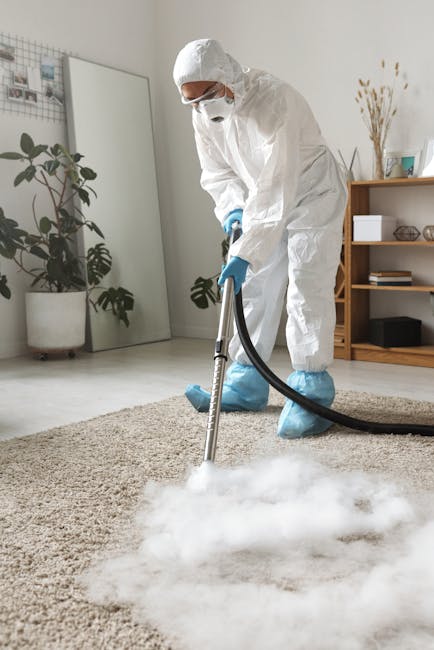
- the cleaning method being used, such as steam or hot water extraction
That last point matters. A quote for steam carpet cleaning may include different preparation, drying expectations, and equipment needs than a lighter maintenance clean. If the method changes, the job can change too. Fair enough. But the quote should say so.
The smoothest way to avoid hidden fees in Wallington carpet cleaning quotes is to ask how the company handles add-ons before the appointment is booked. Ask whether stain treatment is included, whether deodorising is extra, and whether moving small furniture is part of the service or a separate charge. A good provider will answer without fuss. If they dodge the question, that is useful information in itself.
Key Benefits and Practical Advantages
Transparent pricing is not just about saving money, though that is certainly nice. It also makes the whole experience calmer and easier to manage. You know what to expect, you can compare providers properly, and you are less likely to feel pressured on the day.
1. Better budget control
When a quote is clear, you can plan around it. That is helpful whether you are a homeowner juggling household spending or a business trying to keep maintenance costs neat and predictable. Nobody enjoys a bill that grows while you are standing there in socks on a damp hallway carpet.
2. Easier provider comparison
One business might look more expensive at first glance, but include stain treatment, pre-inspection, and an aftercare explanation. Another might look cheaper and then add fees later. If you compare properly, you are comparing like with like, which is where the real value shows up.
3. Better service quality signals
Clear quoting often reflects clear work standards. Businesses that are careful with pricing tend to be more careful with expectations, timing, and aftercare. Not a hard rule, to be fair, but a sensible pattern to look for.
4. Less awkwardness on cleaning day
No one wants that slightly tense moment when the technician arrives and starts renegotiating in the doorway. Clear upfront pricing avoids that. The job starts smoothly, everyone is on the same page, and the carpet gets cleaned instead of the conversation.
For people who want to understand how a service is typically framed, a service page such as carpet cleaning helps set the context for what is normally included in a standard visit.
Who This Is For and When It Makes Sense
This advice is useful for almost anyone booking carpet care, but it is especially helpful in a few common situations. If any of these sound familiar, the extra quoting detail is worth your time.
- First-time customers: if you have not booked a cleaner before, you may not know what counts as standard.
- Busy households: children, pets, and daily foot traffic can all affect carpet condition and price.
- Landlords and tenants: move-out cleaning often needs clearer scope and timing.
- Commercial premises: business properties may involve bigger areas, access windows, and after-hours work.
- Homes with specialist items: rugs, upholstery, sofas, or curtains can each have separate pricing rules.
If you are booking additional cleaning alongside carpets, it helps to check linked services too. For example, rug cleaning, sofa cleaning, and upholstery cleaning may each carry different assumptions. Same home, different fabric, different method. Simple really, though easy to miss in a rushed quote.
This is also relevant if you have pet-related issues. A standard carpet clean may not fully cover pet stain and odour removal unless it is clearly included. If not, ask what the extra treatment involves and whether it is optional or required for the result you want.
Step-by-Step Guidance
Here is a practical way to protect yourself before you book. Nothing fancy. Just a solid sequence that keeps pricing honest.
Step 1: Describe the job clearly
Tell the cleaner how many rooms need attention, what type of carpet you have, whether there are stairs, and whether there are stains, odours, or heavy wear. If you leave out details, the quote may be technically correct but practically useless.
Step 2: Ask what the quoted price includes
Does it include pre-treatment? Spot treatment? Deodorising? Furniture moving? VAT, if applicable? The cleaner should say exactly what is included and, just as importantly, what is not.
Step 3: Ask about likely extras before they happen
Maybe the carpet is heavily soiled. Maybe access is awkward. Maybe the property is on a narrow road and parking is limited. Ask how those issues are handled. The right answer is not necessarily "no extra cost"; it is a clear explanation.
Step 4: Compare at least two quotes on the same basis
Do not compare one fixed-price quote against one vague estimate. Compare the same scope. That means the same rooms, the same cleaning method, and the same assumptions about stains and furniture. If one provider gives much more detail, that is a plus.
Step 5: Get the quote in writing
Written quotes reduce confusion. If something is discussed on the phone, ask for it to be summarised in a message or email. Nothing dramatic. Just sensible.
Step 6: Read the terms before you agree
The pricing page is useful, but the terms and conditions matter too. This is where cancellation terms, service expectations, and limitations are usually set out. It is not thrilling reading, granted, but it can save a headache.
Step 7: Confirm payment expectations
Ask when payment is due, what methods are accepted, and whether any deposit is required. For peace of mind, a business should also be able to explain its payment and security approach in plain English.
If the company also discusses access, timing, and what happens in awkward or unusual cases, you are already ahead of the game. The whole point is to avoid surprises, not just at the end, but from the first phone call onward.
Expert Tips for Better Results
After enough quote comparisons, a few patterns stand out. These are the habits that tend to separate a clean, professional process from a messy one.
- Use photos where possible. A couple of clear images can help a cleaner judge stains, wear, and room layout more accurately.
- Ask about stain categories. Some stains are surface-level, some are old, and some need specialist treatment. The price should reflect that distinction.
- Be specific about expectations. "Freshen up the room" and "remove visible traffic marks from the living room" are not the same brief.
- Clarify furniture rules. A sofa moved by one person may be fine, but wardrobes and beds are another matter entirely.
- Check drying time assumptions. If you need the room back in use quickly, mention that early. It can affect method choice and planning.
- Ask what happens if the job changes on site. A decent cleaner should pause and confirm any material change before carrying on.
One practical tip that saves a lot of back-and-forth: keep your quote request short but complete. People often over-explain the history of every stain, then forget to mention the hallway or the staircase. A tidy list works better.
If you are dealing with deep marks rather than general soiling, stain removal may be a relevant add-on to ask about. Just make sure it is priced transparently and not dropped in later as a "special treatment" with no prior discussion.
Common Mistakes to Avoid
Most hidden fee problems start with a rushed booking or a vague quote request. A few avoidable mistakes come up again and again.
Choosing the cheapest headline price
A low headline price can be fine, but only if the scope matches what you need. If the price looks unusually low, ask what is excluded. Often, that is where the story is.
Assuming all carpet cleaning is the same
Different methods, levels of soil, and fibre types can all affect the job. A wool carpet in a busy hallway is not the same as a low-use synthetic room carpet. Treat them differently, because the cleaner will.
Skipping the access conversation
Parking, stairs, lift access, and entry timing can all matter. If your property has tricky access, say so. It sounds obvious, but people forget. Then the invoice arrives and everybody acts surprised.
Not asking about minimum charges
Some providers have a minimum booking value. That is not automatically a problem, but it should be stated upfront. Otherwise the quote is only half a quote.
Ignoring written confirmation
Verbal agreements are easy to misunderstand. A brief written confirmation is better for everyone.
Forgetting that commercial work can be different
If you are pricing an office, shop, or shared premises, the quote may involve different scheduling, access, or health and safety considerations. For those situations, commercial carpet cleaning is a more appropriate reference point than a domestic clean.
And yes, sometimes the mistake is just being in a hurry. We have all done it. You want the carpets sorted, the room to smell fresher, and the whole thing over with. But a ten-minute pause to ask the right question can save a very real amount of money.
Tools, Resources and Recommendations
You do not need a toolbox for this. But a few simple resources make quote checking much easier.
- A room list: note the rooms, stairs, rugs, and upholstery you want cleaned.
- Photos or a short video: useful for stains, access, and furniture layout.
- A comparison note: keep a small checklist of what each quote includes.
- Questions list: ask about stain treatment, deodorising, furniture moving, and payment timing.
- Terms review: read the service terms before accepting the quote.
It also helps to understand how a provider frames its general service standards. The pages on about us and insurance and safety can be useful for reassurance when you are comparing companies. They are not pricing pages, but they do help you judge professionalism. That counts.
If you care about how the company handles wider responsibilities, related pages such as health and safety policy, recycling and sustainability, and privacy policy can also help you see how organised the business is. Small detail? Maybe. But small detail is often where trust is built.
Law, Compliance, Standards, or Best Practice
For carpet cleaning quotes, the most useful principle is not a complicated regulation; it is clarity. In the UK, consumers are generally entitled to honest, understandable pricing information, and businesses should not present a misleading headline price that hides material extras. You do not need to be a legal expert to benefit from that. You just need a quote that actually says what it means.
Best practice in this area usually includes:
- clear description of the service offered
- visible explanation of any extra charges
- transparent payment expectations
- reasonable notice of cancellation or rescheduling conditions
- safe and respectful service delivery
If you ever feel unsure, the most practical safeguard is simple: ask for written confirmation before work starts. A professional business should be comfortable with that. If anything feels vague, you can slow the process down. You are allowed to do that. Really.
For broader trust signals, it helps when a business has published policies such as the complaints procedure and payment and security information. Those pages do not replace a fair quote, but they do show that the company has thought about the customer journey beyond the first payment.
Options, Methods, or Comparison Table
Different quoting styles can suit different customers. Here is a simple comparison to help you read what is in front of you.
| Quote style | What it usually means | Risk of hidden fees | Best for |
|---|---|---|---|
| Fixed price per room | A set amount for each room or area | Lower, if inclusions are clearly stated | Standard homes with straightforward layouts |
| Estimate only | A likely price that may change after inspection | Medium to high if scope is not defined | Jobs with unusual staining or access issues |
| Area-based pricing | Cost based on square footage or carpet area | Moderate, depending on exclusions | Larger homes and commercial spaces |
| Base price plus add-ons | Start with a basic rate, then add extras | Higher unless all extras are explained early | Situations where stain treatment or specialist work is likely |
To be fair, none of these is automatically good or bad. The real question is whether the provider explains the rules plainly. A fixed price can still hide extras. An estimate can still be fair. The difference is clarity.
Case Study or Real-World Example
A typical scenario goes like this. A homeowner in Wallington asks for a quote to clean a living room and hallway after months of foot traffic. The first price sounds decent. Then, during booking, the company says stain treatment is extra, the stairs are extra, and parking charges may apply if access is difficult. The total is now noticeably higher than the quote that first caught the customer's eye.
Now compare that with a clearer approach. The customer explains the room sizes, mentions a couple of old marks near the sofa, and says the property is a first-floor flat with limited parking. The cleaner responds with a written quote that states the base service, notes likely stain treatment, and explains that any access-related issues will be confirmed before work begins. No surprises, no awkwardness, no guessing.
That second version may not always be the cheapest line on the page, but it is usually the better value. You know what is being done. You know why. And if something changes, you know how it will be handled. That peace of mind is worth something. Quite a lot, actually, when the carpet is still damp and the kettle is on.
Practical Checklist
Use this before you approve any quote.
- Have I described all rooms, stairs, rugs, and furniture honestly?
- Does the quote say exactly what is included?
- Are stain treatment, deodorising, and spot cleaning included or extra?
- Has access, parking, or property layout been discussed?
- Is the price fixed, estimated, or subject to inspection?
- Have I checked payment timing and any deposit requirement?
- Have I read the service terms and cancellation conditions?
- Is the quote in writing?
- Do I know what happens if the cleaner finds extra work on arrival?
- Does the quote feel specific rather than vague?
If you can tick most of those boxes, you are in a much stronger position. If not, ask another round of questions before you book. A good company will not be offended. They will probably be relieved you are paying attention.
And if you need a direct next step, use the business's contact us route to request a clearer, more itemised quote. That alone can make the whole process smoother.
Get a free quote today and see how much you can save.
Conclusion
The easiest way to avoid hidden fees in Wallington carpet cleaning quotes is to slow the process down just enough to ask better questions. Clear scope, clear extras, and clear terms. That is really the whole game. You do not need to interrogate every cleaner like a detective, but you do need enough detail to compare honestly and book with confidence.
When a quote is transparent, the job usually feels easier from the first message to the final invoice. The room smells fresher, the carpet looks better, and you are not left mentally adding up surprise charges. Simple, clean, done.
Truth be told, the best quote is not always the lowest one. It is the one that tells the truth upfront.
Frequently Asked Questions
How do I spot hidden fees in a carpet cleaning quote?
Look for vague wording, missing service details, and any mention of "extras" without clear prices. Ask whether stain treatment, deodorising, furniture moving, parking, and VAT are included before you agree.
Is a cheap carpet cleaning quote always a bad sign?
Not always, but a very low price can sometimes mean the service is stripped back and key items are charged separately. The quote is only useful if you know what is actually included.
Should carpet cleaning prices be fixed or estimated?
Either can be fair. A fixed price is easier to compare, while an estimate may be more realistic for tricky jobs. The important thing is that the cleaner explains how and why the price could change.
Do I need to mention pet stains before getting a quote?
Yes. Pet stains and odours often need additional treatment, so they should be disclosed early. That gives you a more accurate price and avoids awkward add-ons later.
Can parking or access charges be added later?
They can be, if the business has clearly stated that these may apply. But if they were not mentioned at all, ask for clarification before the job goes ahead.
What should a transparent carpet cleaning quote include?
It should explain the rooms or areas covered, the cleaning method, any included treatments, likely extras, payment expectations, and any conditions that could affect the final cost.
Is steam cleaning more likely to have extra charges?
Not necessarily, but steam carpet cleaning may involve specific preparation, drying expectations, or treatment steps. The key is whether those are included in the quoted price or priced separately.
Why do commercial carpet cleaning quotes often look more complicated?
Commercial jobs may involve larger areas, access restrictions, out-of-hours work, or different health and safety considerations. That means the quote often needs more detail than a simple home clean.
Should I get carpet cleaning prices in writing?
Yes. Written quotes are easier to compare and much better for avoiding misunderstandings. A quick message or email can save a lot of back-and-forth later.
What if the cleaner finds extra work on the day?
A professional cleaner should explain the issue, tell you how it affects the price, and get your approval before doing anything outside the original scope. If they do not, pause and ask questions.
Where can I learn more about a company before booking?
Look at its service pages and trust pages, such as about information, insurance, terms, complaints handling, and pricing details. Those pages help you judge whether the business is organised and open about costs.
What is the safest way to compare two carpet cleaning quotes?
Compare the same rooms, the same cleaning method, the same stain treatment assumptions, and the same access conditions. If one quote includes more detail, that detail is part of the value.